In industrial manufacturing and maintenance environments, surface preparation is essential for ensuring product quality and durability. From removing corrosion on structural components to preparing metal parts for coating or painting, abrasive blasting systems are widely used to achieve the required surface condition.
However, purchasing brand-new blasting equipment can require a significant capital investment. For many companies, refurbished blasting systems provide a practical alternative that delivers dependable performance at a lower cost.
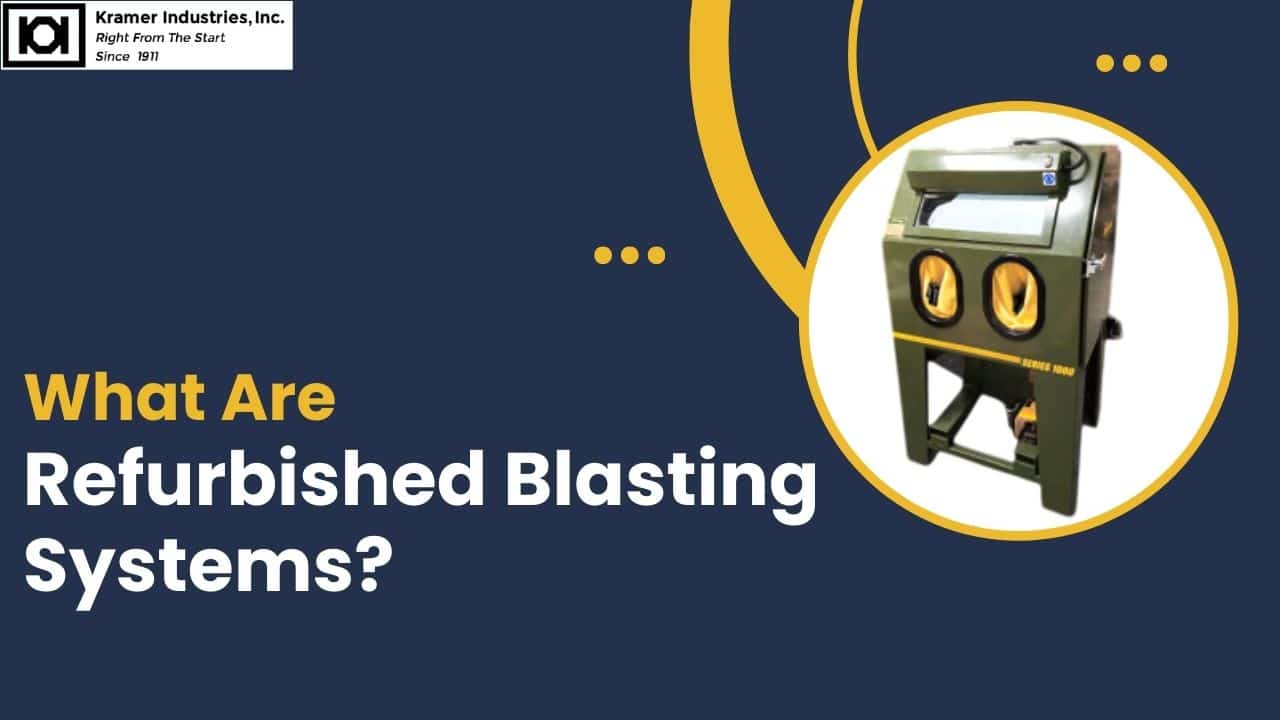
Refurbished blasting systems are previously used abrasive blasting machines that have been carefully rebuilt, repaired, and restored to reliable working condition. Rather than simply cleaning and reselling used equipment, the refurbishment process involves detailed inspection, replacement of worn components, structural repairs, and operational testing. Companies such as Kramer Industries apply their surface finishing expertise to restore equipment so it can return to productive use in demanding industrial environments.
For manufacturers and maintenance teams, refurbished blasting systems offer an effective balance between cost efficiency, equipment reliability, and operational flexibility.
Understanding Abrasive Blasting Systems
To understand the value of refurbishment, it helps to first look at how abrasive blasting systems operate. These systems use compressed air or mechanical force to propel abrasive media toward a surface at high speed. The impact of the media removes contaminants such as rust, scale, old coatings, and production residue. Blasting can also create a surface profile that improves the adhesion of paints, coatings, and protective finishes.
Most blasting systems include several key components working together:
- Pressure or suction blasting pot
- Blast hoses and nozzles that direct abrasive flow
- Containment or recovery systems for used abrasive media
- Dust collection units that maintain air quality and visibility
- Control systems that regulate pressure and media flowOver time, these components experience wear from abrasive materials, high-pressure operation, and continuous production use. Valves erode, hoses deteriorate, and seals eventually require replacement. Rather than discarding the entire system, refurbishment allows these machines to be rebuilt and returned to service.
What Happens During the Refurbishment Process
Refurbished blasting systems go through a structured rebuilding process designed to restore safe and reliable performance. The objective is not just cosmetic improvement but full operational reliability.
The refurbishment process typically includes:
- Complete inspection and disassembly – The equipment is taken apart so technicians can evaluate each component.
- Replacement of worn parts – High-wear components such as valves, seals, hoses, nozzles, and gaskets are replaced.
- Structural repair – Pressure vessels, cabinets, frames, and housings are inspected and repaired if necessary.
- System upgrades – Older machines may receive improved abrasive metering systems, updated controls, or safety enhancements.
- Testing and calibration – The rebuilt equipment is tested to verify pressure control, abrasive flow, and operational performance.
- Companies like Kramer Industries combine equipment knowledge with surface finishing experience to ensure refurbished blasting systems perform reliably when returned to production.
The Cost Advantage of Refurbished Equipment
One of the main reasons companies choose refurbished blasting systems is the significant cost savings compared to new equipment. Industrial blasting systems can represent a large capital expense, especially for automated systems or large blast rooms.
Refurbished equipment allows manufacturers to reduce upfront investment while still achieving the performance required for industrial surface preparation.
- Key financial advantages include:
- Lower initial equipment cost
- Reduced capital expenditure for expanding production capacity
- Ability to replace outdated equipment without major investment
- Greater flexibility when scaling operations
For many facilities, refurbished blasting systems provide the necessary functionality while helping maintain tighter capital budgets.
Proven Performance in Industrial Applications
Another benefit of refurbished blasting systems is that the equipment is typically based on proven machine designs that have already been used successfully in industrial environments.
After rebuilding and replacing worn components, these systems can deliver reliable and consistent results comparable to new machines.
Operational benefits may include:
- Consistent blasting performance
- Familiar equipment design for operators and maintenance teams
- Smooth integration with existing production processes
- Reliable operation in demanding manufacturing environments
Because refurbished systems are built on established equipment platforms, they can provide predictable performance for ongoing production needs.
Faster Availability Compared to New Equipment
Lead times for new industrial blasting equipment can sometimes extend for months due to engineering schedules, manufacturing timelines, and shipping logistics.
Refurbished blasting systems are often available much sooner. Since the base equipment already exists, the rebuilding and testing process can be completed more quickly than manufacturing a new system from scratch.
Faster availability offers several operational advantages:
- Reduced waiting time for equipment installation
- Faster response to increased production demand
- Quick replacement for aging or failing blasting systems
- Improved production continuity
For companies needing additional surface preparation capacity quickly, refurbished systems can be a practical solution.
Supporting Sustainable Manufacturing Practices
- Refurbishing industrial equipment also supports sustainability initiatives within modern manufacturing operations. Instead of scrapping large steel structures and pressure vessels, refurbishment extends the usable life of existing machinery.
Environmental advantages may include: - Reduced material waste from discarded equipment
- Lower demand for manufacturing new machines
- More efficient use of existing industrial resources
- Support for long-term sustainability goals
By rebuilding and restoring equipment, companies can maintain productivity while reducing unnecessary waste.
Conclusion
Refurbished blasting systems offer a practical solution for companies that require dependable surface preparation equipment without the full cost of purchasing new machinery. Through a thorough rebuilding process that replaces worn components, repairs structural elements, and verifies operational performance, these systems can deliver reliable results across a wide range of industrial applications.
With extensive experience in surface finishing equipment, Kramer Industries helps manufacturers evaluate and implement refurbished blasting systems that support production efficiency, cost control, and long-term operational reliability. Companies looking to improve surface preparation capabilities can work with Kramer Industries to identify the right refurbished blasting system for their production needs.
Related Articles