Specialty Equipment
Engineered Finishing Systems for Complex Parts and High-Performance Applications
Specialty Equipment is designed for finishing applications that require capabilities beyond conventional vibratory bowls or tubs. These systems provide increased process control, specialized part handling, higher energy transfer, and controlled finishing for complex geometries, high-value components, and demanding production requirements.
Kramer Industries provides surface finishing equipment and Automated Finishing Systems for applications where standard equipment may not meet required cycle times, part geometry, surface finish specifications, or production requirements. Automated solutions can also help reduce manual handling and provide greater consistency across repeat production runs.
This category includes:
- LRB Series Long Radius Bowl Finishers
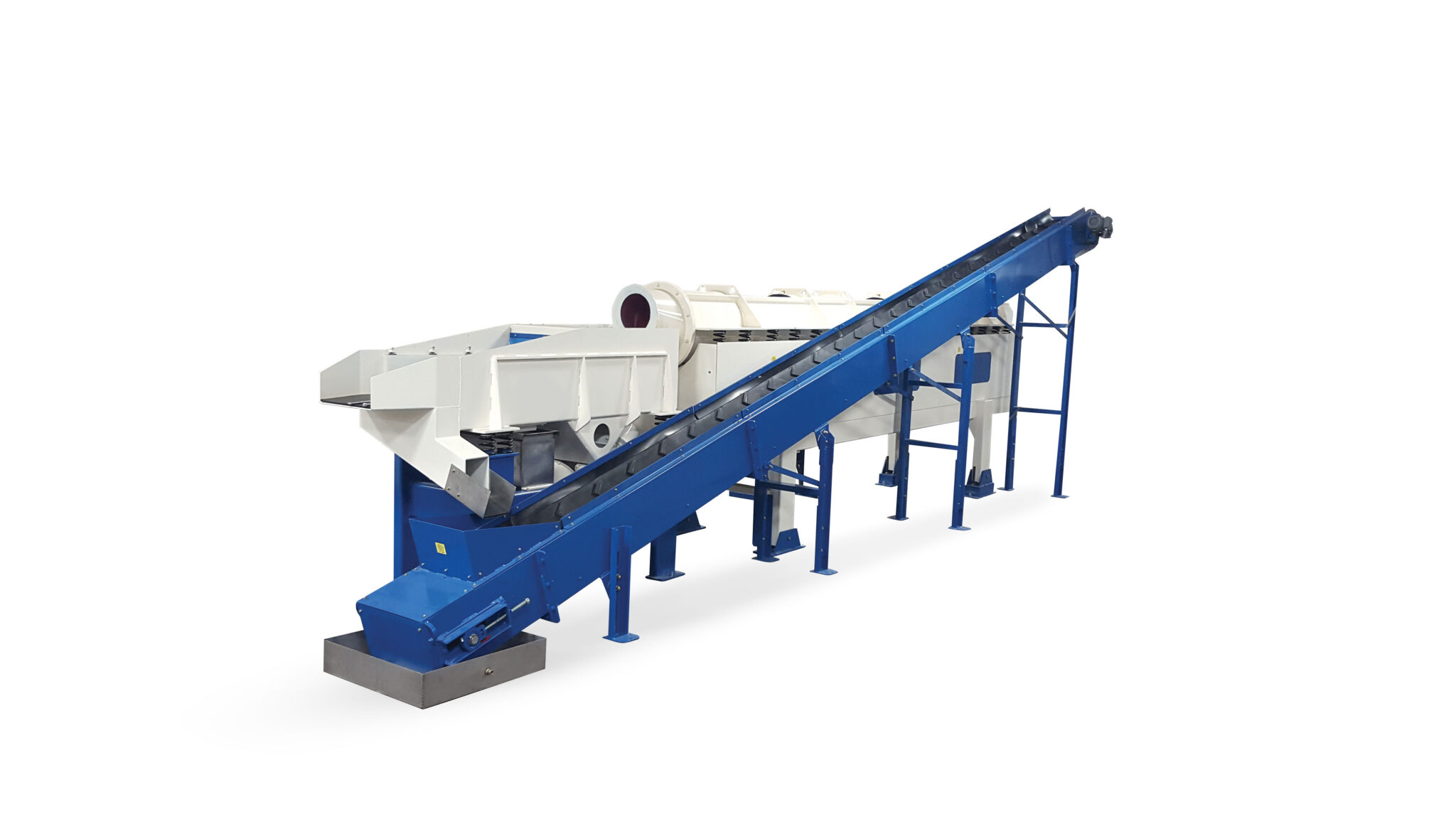
- IVT Series Inline Vibratory Finishers
- DFS Series Drag Finishing Systems
- HFB Series High Frequency Batch Finishers
Each system addresses specific production requirements such as delicate components, high-value parts, automated flow-through processing, and accelerated finishing cycles.
What Is Specialty Equipment?
Specialty Equipment refers to finishing machinery developed for applications involving:
- Complex geometries
- Tight surface finish requirements
- High-value components
- Accelerated processing demands
- Automated or inline production environments
- Controlled part orientation during finishing
Automated Finishing Systems are particularly useful when manufacturers need repeatable processing, reduced manual handling, and integration with other production equipment.
How Specialty Equipment Differs From Standard Finishing Systems
Conventional vibratory equipment is effective for many general deburring, cleaning, and polishing applications. Specialty systems provide additional capabilities for applications requiring greater control or specialized processing.
These systems can provide:
- Higher energy transfer for shorter cycle times
- Precise part positioning and repeatability
- Processing for delicate or thin-walled components
- Automated inline integration
- Controlled media interaction
- Improved edge retention and surface consistency
These capabilities make Advanced Finishing Systems useful for manufacturers with demanding process and production requirements. Automated Finishing Systems can further improve workflow consistency by connecting finishing operations with material handling and other production stages.
Product Lineup
LRB Series – Long Radius Bowl Finishers
The LRB Series uses a long-radius bowl design to improve part roll and media flow. This helps reduce part impingement and provides more uniform finishing for large or complex components.
Ideal for:
- Large or awkward-shaped components
- Parts requiring reduced part-to-part contact
- Applications requiring smoother surface transitions
Performance Highlights:
- Improved media circulation
- Enhanced surface uniformity
- Reduced part damage
- Larger working capacities
IVT Series – Inline Vibratory Finishers
The IVT Series is designed for continuous, automated processing. Parts enter one end and exit the other, allowing integration with production lines and Automated Finishing Systems.
Ideal for:
- High-volume manufacturing
- Automated finishing cells
- Consistent throughput requirements
Performance Highlights:
- Continuous flow processing
- Adjustable dwell times
- Integration with rinse and dry stations
- Reduced labor handling
DFS Series – Drag Finishing Systems
Drag finishing systems hold parts in fixtures and rotate them through stationary media. This provides controlled finishing while minimizing part-to-part contact.
Ideal for:
- Aerospace components
- Medical implants
- Blisks and turbine components
- High-value precision parts
Performance Highlights:
- Controlled finishing action
- Reduced part impingement
- Edge radiusing control
- Repeatable finishing results
HFB Series – High Frequency Batch Finishers
The HFB Series uses high-frequency vibration to increase energy input into the media mass. This supports accelerated deburring and polishing while maintaining a compact processing footprint.
Ideal for:
- Short cycle requirements
- Fine surface finishing
- Hard-to-finish materials
- High-energy batch processing
Performance Highlights:
- Increased media movement
- Faster deburring and polishing
- Improved surface brightness
- Compact equipment design
Applications of Specialty Finishing Equipment
Specialty systems can be used for:
- Deburring
- Polishing
- Edge radiusing
- Surface refinement
- Deflashing
- Cleaning
- High-precision finishing
- Automated production finishing
Automated Finishing Systems can be particularly valuable for high-volume applications where repeatability, throughput, and consistent surface quality are important.
Surface Finishing Equipment for Different Applications
Surface finishing equipment should be selected according to the characteristics of the part and the required result. Large or irregularly shaped components may benefit from long-radius bowl systems, while high-value precision parts may require fixture-based drag finishing.
Continuous production environments can benefit from inline systems, while high-energy batch finishing can be appropriate when shorter processing cycles are required.
The equipment, media, compound, and process conditions should work together to achieve the required surface finish without unnecessary material removal or part damage.
Mass Finishing Equipment vs. Specialty Systems
Mass Finishing Equipment can handle many standard deburring, cleaning, polishing, and burnishing applications. Specialty systems are used when additional control, automation, energy, or part handling capabilities are required.
The choice depends on factors such as:
- Part geometry
- Part material
- Surface finish requirements
- Production volume
- Required cycle time
- Part-to-part contact requirements
- Automation goals
- Process consistency
Automated Finishing Systems can be considered when the finishing process needs to integrate with automated loading, unloading, separation, or other production operations.
Industrial Finishing Equipment Selection
When selecting Industrial Finishing Equipment, consider both the finishing objective and the production environment. The machine should provide sufficient capacity and energy while accommodating the size, shape, material, and quantity of the parts.
Other important considerations include:
- Batch or continuous processing
- Required automation
- Media and compound compatibility
- Loading and unloading requirements
- Separation and material handling
- Cycle time targets
- Available production space
For operations requiring a higher degree of automation, Automated Finishing Systems can provide a more consistent workflow and reduce the amount of manual intervention required.
Advanced Finishing Systems for Precision Applications
Advanced Finishing Systems are often used when manufacturers require greater control over part movement, energy transfer, finishing time, or surface consistency.
Specialized equipment can help process delicate, complex, or high-value components while maintaining controlled contact between the parts and finishing media. This can be particularly important in industries where surface integrity and repeatability are critical.
Industries Served
Specialty finishing equipment can support applications across:
- Aerospace
- Medical device manufacturing
- Automotive
- Precision machining
- Industrial manufacturing
- Defense and other high-value component industries
These applications often require repeatable finishing results, controlled processing, and equipment configured around specific part requirements.
Key Advantages
Specialty systems can provide:
- Reduced cycle times
- Greater process control
- Improved surface consistency
- Reduced manual handling
- Controlled edge radiusing
- Increased automation capability
- Custom engineering options
Systems can also be configured with appropriate media, compounds, separation equipment, sound enclosures, and automation controls based on production requirements.
Selecting the Right Specialty Equipment
The appropriate system depends on:
- Part geometry
- Material type
- Surface finish requirement
- Production volume
- Automation goals
- Cycle time targets
- Required level of part protection
For complex or high-value components, application testing can help determine the appropriate combination of equipment, media, compounds, and processing conditions.
Kramer Industries works with manufacturers to develop finishing solutions based on their specific production and surface finishing requirements. For applications requiring integrated production workflows, Automated Finishing Systems can be evaluated alongside the finishing equipment, material handling, and separation requirements.
When a Project Needs Specialized Finishing, Start Here.
The right equipment can improve finishing consistency, production efficiency, and process control for demanding applications. Kramer Industries provides specialized systems for automated, precision, high-energy, and complex-part finishing requirements.
Frequently Asked Questions
Q1. Which machine is used for surface finishing?
Ans: The appropriate machine depends on the part and finishing requirement. Vibratory systems, drag finishing systems, inline finishers, and high-frequency batch finishers can all be used for different surface finishing applications.
Q2. What are the different types of surface finishing?
Ans: Common surface finishing processes include deburring, polishing, burnishing, edge radiusing, cleaning, deflashing, and surface refinement. Different equipment and media combinations are used depending on the material, geometry, and desired result.
Q3. How do you finish a metal surface?
Ans: Metal surfaces can be finished through processes such as deburring, polishing, burnishing, abrasive finishing, and vibratory or drag finishing. The appropriate process depends on the metal, initial surface condition, required finish, part geometry, and production requirements.
Q4. When should I use specialty finishing equipment instead of standard equipment?
Ans: Specialty equipment may be appropriate when standard finishing systems cannot provide the required cycle time, part handling, surface consistency, automation, or control. Complex, delicate, high-value, or high-volume components may require specialized equipment.
Q5. Can specialty finishing systems be automated?
Ans: Yes. Automated Finishing Systems can provide continuous or controlled processing with options such as automated loading and unloading, material handling, rinsing, drying, separation, and integration with other production equipment.
Specialty Equipment:
Showing all 6 results
-
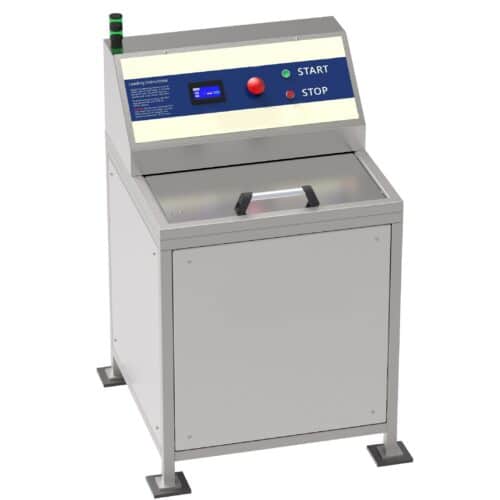
HBC Series Centrifugal Barrel Finishers
$32,000.00 Learn MoreThe DB Series is ideal for shorter cycle times and for those new to mass finishing. Two different sizes are available for large and small batch sizes. Economical and durable, the DB Series are one of our most popular vibratory tumblers.
-
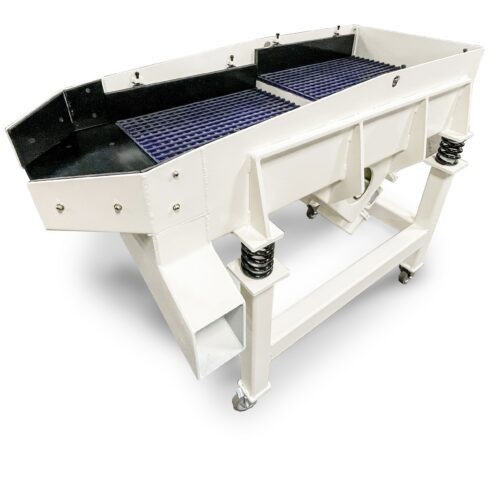
FSS Series Shaker Screeners
$11,500.00 Learn MoreThe DB Series is ideal for shorter cycle times and for those new to mass finishing. Two different sizes are available for large and small batch sizes. Economical and durable, the DB Series are one of our most popular vibratory tumblers.
-
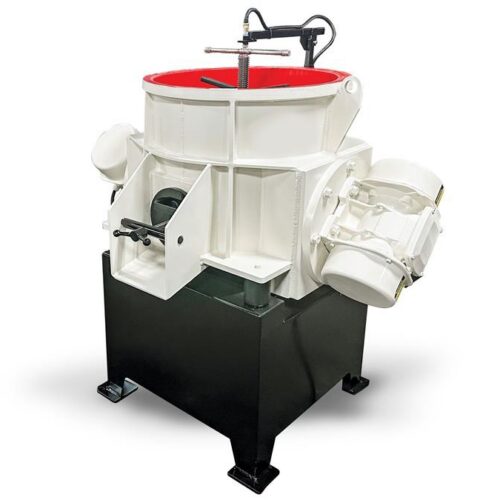
HFB Series – High Frequency Batch Finishers
$33,000.00 Learn MoreThe DB Series is ideal for shorter cycle times and for those new to mass finishing. Two different sizes are available for large and small batch sizes. Economical and durable, the DB Series are one of our most popular vibratory tumblers.
-
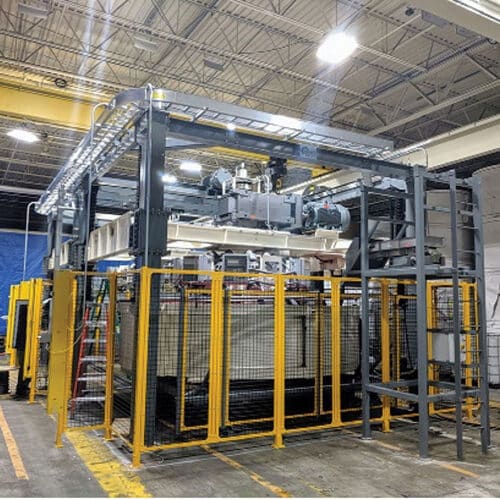
DFS Series – Drag Finishing Systems
$300,000.00 Learn MoreThe DB Series is ideal for shorter cycle times and for those new to mass finishing. Two different sizes are available for large and small batch sizes. Economical and durable, the DB Series are one of our most popular vibratory tumblers.
-
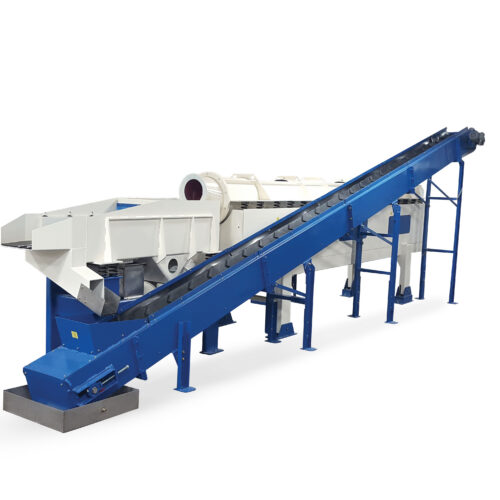
IVT Series – Inline Vibratory Finishers
$140,000.00 Learn MoreThe DB Series is ideal for shorter cycle times and for those new to mass finishing. Two different sizes are available for large and small batch sizes. Economical and durable, the DB Series are one of our most popular vibratory tumblers.
-
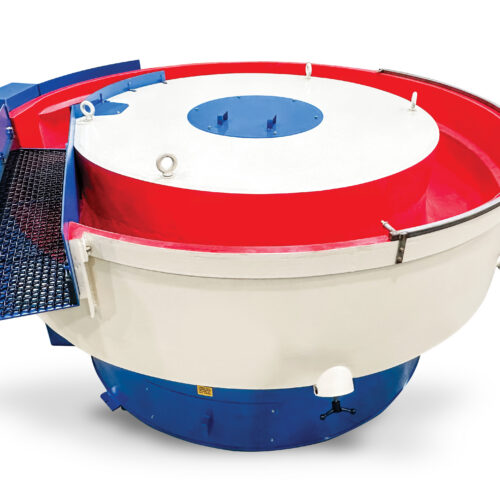
LRB Series – Long Radius Bowl Finishers
$26,000.00 Learn MoreThe DB Series is ideal for shorter cycle times and for those new to mass finishing. Two different sizes are available for large and small batch sizes. Economical and durable, the DB Series are one of our most popular vibratory tumblers.