Choosing the right vibratory deburring media is one of the most important factors in achieving consistent surface finishing results. Whether your goal is to remove burrs, eliminate flash, smooth rough edges, or produce a high-gloss finish, selecting the appropriate media directly impacts part quality, processing time, and overall production efficiency. The process is not one-size-fits-all. It requires careful evaluation of the workpiece material, desired finish, media characteristics, and finishing equipment to achieve the best possible results.
Selecting the ideal vibratory deburring media requires balancing cutting performance with finish quality. Highly aggressive media removes material quickly but may leave a rougher surface, while less aggressive media delivers smoother finishes but often requires longer processing cycles. Many manufacturers achieve optimal results through a multi-stage finishing process, beginning with aggressive deburring media and progressing to finer polishing media for a superior surface finish.
The Influence of Material: Hard vs. Soft
The composition of the workpiece plays a critical role in selecting the appropriate vibratory deburring media. Hard metals such as steel, stainless steel, and titanium generally require durable ceramic media capable of aggressive cutting and material removal. Softer metals including aluminum, brass, copper, and zinc typically perform better with plastic or synthetic media that provides effective deburring while protecting delicate surfaces.
Each category of vibratory deburring media is available in multiple formulations, ranging from heavy-cutting media designed for rapid stock removal to polishing media developed for producing smooth, refined finishes.
The Key Factors in Vibratory Deburring Media Selection
When selecting the most suitable vibratory deburring media, several important factors should be considered.
Shape
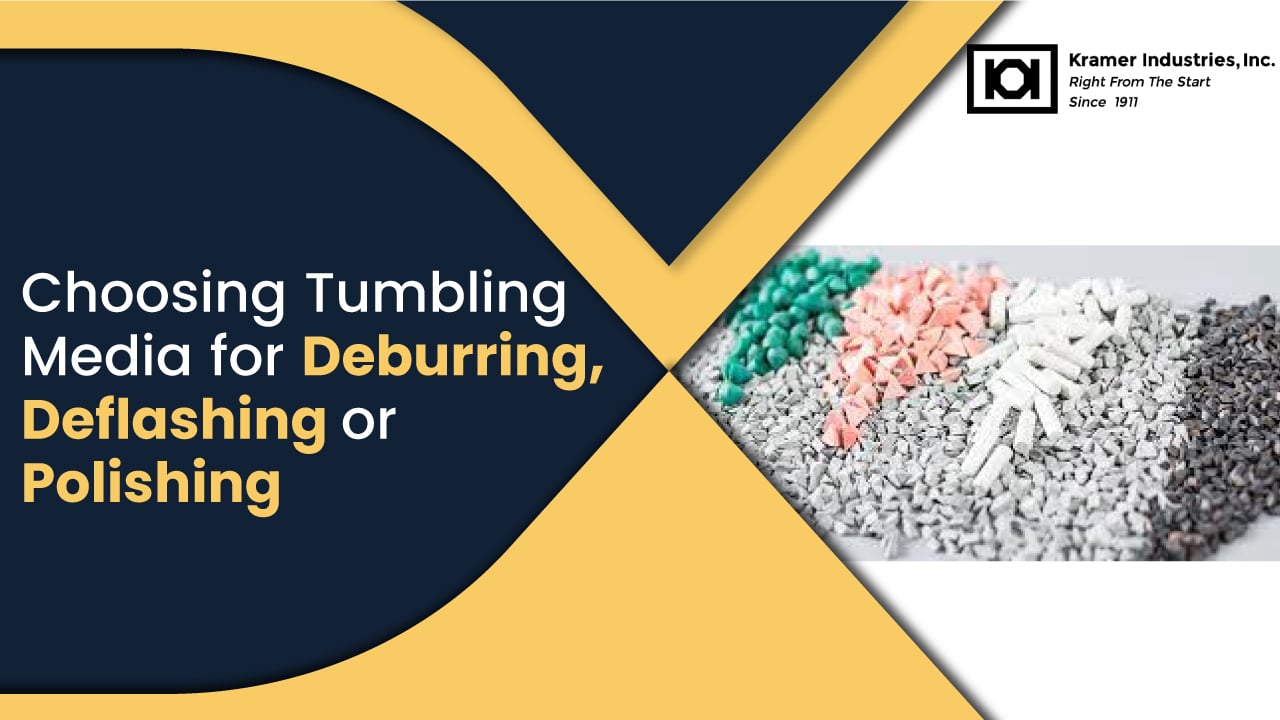
The shape of the media determines its ability to reach complex geometries and difficult-to-access areas. Cones, pyramids, wedges, and tri-star shapes effectively deburr internal corners, slots, and recessed features. Cylindrical media performs well in holes and channels but should be properly sized to prevent lodging or excessive wear. Round and oval media minimize the risk of becoming trapped while providing consistent finishing on exposed surfaces.
Size
Media size significantly influences finishing performance. Smaller vibratory deburring media reaches intricate features more effectively but generally increases processing time. Larger media removes material more quickly on open surfaces but may not adequately reach recessed areas or complex part geometries.
Abrasiveness
The abrasiveness of the media determines the rate of material removal. Highly abrasive ceramic media is well suited for heavy burr removal and aggressive stock reduction, while less abrasive media produces smoother finishes that prepare components for anodizing, plating, painting, or final assembly.
Composition
Media composition directly affects cutting performance, durability, operating cost, and surface finish quality. The most commonly used vibratory deburring media includes ceramic, plastic, steel, and organic materials, each offering distinct advantages depending on the application.
Exploring the Different Types of Vibratory Deburring Media
A wide variety of vibratory deburring media is available to support different finishing requirements. Understanding the characteristics of each media type helps manufacturers select the most efficient solution for their application.
Ceramic Media
Ceramic media remains one of the most widely used forms of vibratory deburring media for hard metals. Its high density and aggressive cutting action make it ideal for deburring, edge radiusing, grinding, and polishing steel, stainless steel, titanium, and other durable materials. Certain ceramic formulations, including porcelain-based media, also produce exceptionally smooth and attractive finishes.
As ceramic media gradually wears during use, small particles may break away and occasionally become lodged in complex part geometries. Routine inspection and proper media maintenance help minimize these challenges while maintaining consistent finishing performance.
Plastic Media: A Softer Approach
Plastic vibratory deburring media is the preferred choice for softer metals including aluminum, brass, zinc, copper, and delicate machined components. Available in low-density, high-density, and specialty formulations, plastic media provides excellent flexibility across a wide range of finishing applications.
Low-density plastic media is commonly used for general deburring, flash removal, and light finishing. High-density plastic media delivers faster stock removal while remaining gentle enough for softer materials. Specialty formulations are designed to meet unique production requirements, making plastic media one of the most versatile finishing options available.
Steel Media
Steel media is widely recognized for its exceptional durability and long service life. It is commonly used for burnishing, bright finishing, and polishing steel components where a smooth, reflective surface is required. Depending on its size and shape, steel media can also provide light deburring while maintaining dimensional accuracy.
Although steel media generally has a higher initial cost than ceramic or plastic alternatives, its extended lifespan often delivers excellent long-term value in high-volume finishing operations.
Organic Media: The Natural Alternative
Organic vibratory deburring media, including walnut shells and corn cob granules, provides an environmentally friendly finishing solution for specialized applications. While these materials are commonly used during drying operations, they also produce attractive high-gloss finishes on selected materials without excessive abrasion.
Because of their lower cost and gentle finishing characteristics, organic media is frequently selected for decorative finishing, polishing, and final cleaning operations where maintaining surface appearance is a priority.
The Art of Balancing Aggressiveness and Finish Quality
Selecting the appropriate vibratory deburring media requires balancing material removal with the desired surface finish. If rapid burr removal and edge radiusing are the primary objectives, more aggressive media delivers faster processing times. However, components that require anodizing, plating, painting, or decorative finishing often benefit from less aggressive media that produces smoother, more refined surfaces.
Many manufacturers achieve the best results by using a staged finishing process. Initial cycles with aggressive deburring media remove burrs and sharp edges efficiently, followed by progressively finer media that polishes and refines the surface. This approach improves finish quality while maintaining production efficiency.
Unlock Precision with Kramer Industries
Selecting the right vibratory deburring media requires experience, technical knowledge, and an understanding of your specific finishing requirements. Factors such as workpiece material, part geometry, desired finish, production volume, and finishing equipment all influence media selection.
Kramer Industries offers a comprehensive range of ceramic, plastic, steel, and organic deburring media designed to meet the demands of virtually every deburring, polishing, burnishing, and surface finishing application. Our experienced team can help you select the ideal media to improve productivity, reduce finishing costs, and achieve consistent, high-quality results.
Contact Kramer Industries today to find the right vibratory deburring media for your finishing operation.
Frequently Asked Questions (FAQs)
1. What is vibratory deburring media used for?
Vibratory deburring media is used to remove burrs, eliminate flash, smooth sharp edges, clean surfaces, polish components, and improve the overall surface finish of manufactured parts during vibratory finishing processes.
2. Which vibratory deburring media is best for hard metal parts?
Ceramic media is typically the preferred choice for hard metals such as steel, stainless steel, and titanium because it offers excellent cutting performance, durability, and consistent deburring results.
3. Can plastic vibratory deburring media be used on aluminum?
Yes. Plastic media is ideal for aluminum, brass, zinc, copper, and other softer metals because it removes burrs and imperfections while minimizing the risk of damaging delicate surfaces.
4. How do I choose the right size of vibratory deburring media?
Select media that is small enough to reach recessed features and complex geometries while being large enough to avoid becoming lodged in holes, slots, or narrow openings. Proper media sizing improves finishing efficiency and prevents part damage.
5. Which vibratory deburring media produces the highest polish?
Steel media is commonly used for bright burnishing and mirror-like finishes, while organic media such as walnut shells and corn cob granules are often used during final polishing to achieve an attractive high-gloss surface.
Related Articles