Every successful abrasive blasting project begins with one critical decision: selecting the right abrasive blasting media. Even when using the same blast cabinet, air pressure, and nozzle, different abrasives can produce very different surface finishes and cleaning results.
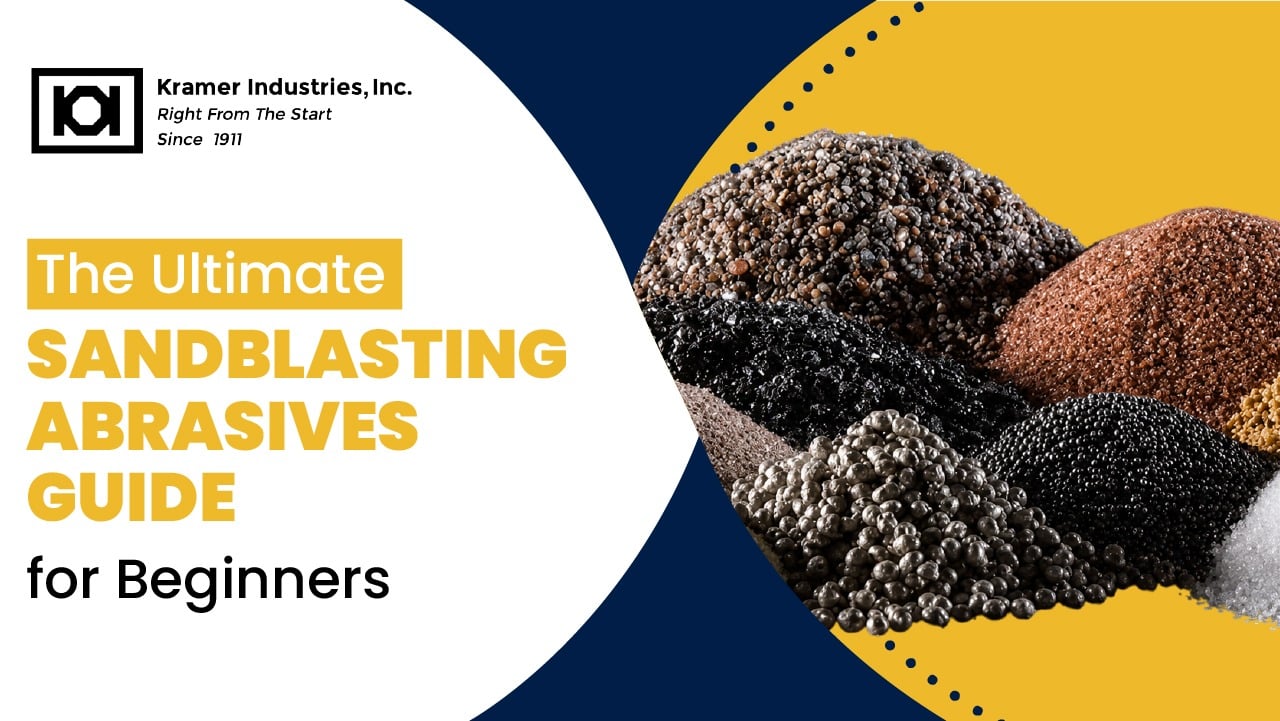
For beginners, understanding the wide variety of sandblasting abrasives can seem challenging. Aluminum oxide, glass beads, steel shot, garnet, walnut shells, and plastic media each offer unique characteristics and are designed for specific applications. This sandblasting abrasives guide explains the most common media types and how to choose the right one for your project.
Understanding How Abrasive Blasting Works
Abrasive blasting is the process of propelling abrasive particles at high speed to clean, strip, deburr, texture, or prepare a surface. The process removes contaminants while creating the surface profile needed for painting, powder coating, plating, welding, or polishing.
Several factors influence blasting performance, including:
- Media hardness
- Particle shape
- Particle size
- Air pressure
- Distance from the workpiece
- Material being blasted
Choosing the right abrasive is one of the most important factors in achieving consistent, high-quality results.
Hard vs. Soft Abrasives
One of the easiest ways to understand blasting media is to classify them as hard or soft abrasives.
Hard Abrasives
Hard abrasives remove material aggressively and create a deeper anchor profile for coatings. They are commonly used to remove heavy rust, mill scale, corrosion, and thick coatings from durable metal surfaces.
Common hard abrasives include:
- Aluminum oxide
- Silicon carbide
- Steel grit
- Garnet
Soft Abrasives
Soft abrasives clean surfaces with minimal material removal, making them suitable for delicate substrates or components that require tight dimensional tolerances.
Common soft abrasives include:
- Glass beads
- Plastic media
- Walnut shells
- Corn cob
- Sodium bicarbonate (soda)
Selecting the appropriate abrasive helps maximize cleaning efficiency while protecting the workpiece from unnecessary damage.
Common Sandblasting Abrasives and Their Uses
Different blasting media are designed to achieve different finishing objectives.
Aluminum Oxide
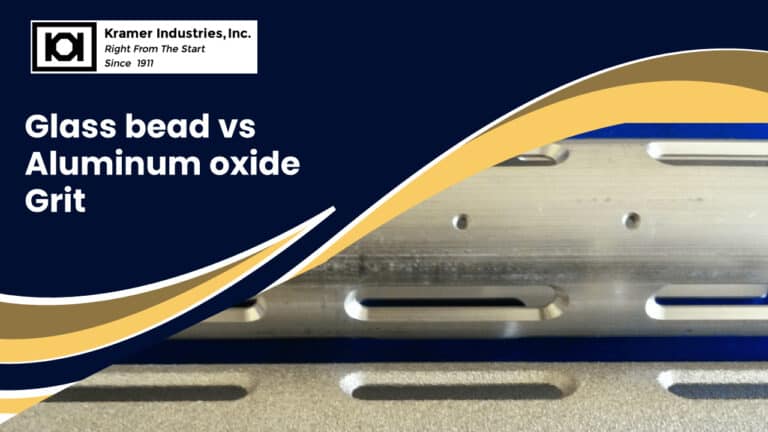
Aluminum oxide is one of the most widely used industrial abrasives. It is extremely hard, highly durable, and reusable, making it an excellent choice for removing rust, paint, oxidation, and coatings while creating an ideal surface profile for painting or powder coating.
Glass Beads
Glass beads provide gentle cleaning without significantly removing the base material. Their spherical shape produces a smooth satin finish, making them ideal for stainless steel, aluminum, cosmetic components, and light deburring applications.
Steel Shot and Steel Grit
Steel abrasives are commonly used in heavy-duty industrial applications. Steel shot produces a smoother finish and is frequently used for shot peening, while steel grit provides aggressive cutting for removing heavy scale and preparing structural steel. Both media offer excellent value because they can be recycled multiple times in closed-loop blasting systems.
Garnet
Garnet offers a balance between cutting performance and surface quality. It produces relatively low dust while creating a consistent anchor profile, making it a popular choice for industrial surface preparation.
Plastic Media
Plastic media is designed to remove coatings without damaging softer materials. It is commonly used in aerospace, automotive, and composite manufacturing where preserving part dimensions is essential.
Organic Abrasives
Walnut shells and corn cob media provide gentle cleaning for delicate materials. They are often used for restoration work, light oxidation removal, and specialty cleaning applications where surface preservation is important.
How to Choose the Right Blasting Media
Selecting the right abrasive depends on your application and finishing requirements. Before starting a project, consider:
- What material is being blasted?
- How much coating or contamination needs to be removed?
- Is a surface profile required?
- Are dimensional tolerances critical?
- Can the abrasive be reclaimed and reused?
- What surface finish is required?
Answering these questions helps narrow your media options and improves process efficiency.
Safety and Efficiency Considerations
Effective abrasive blasting requires both proper equipment and safe operating practices. Dust collection systems, adequate ventilation, and appropriate personal protective equipment help create a safer work environment while improving overall productivity.
Choosing reusable abrasives and the correct particle size can also reduce operating costs, minimize media consumption, and deliver more consistent finishing results over time.
Conclusion
Understanding abrasive blasting begins with selecting the right media for the job. Each abrasive offers unique advantages that affect cleaning performance, surface finish, operating costs, and overall process efficiency. By matching the blasting media to the workpiece and desired finish, beginners can achieve better results while avoiding unnecessary damage and rework.
Kramer Industries offers a comprehensive range of sandblasting abrasives, blast media, and surface preparation solutions to help manufacturers select the right abrasive for every application and achieve consistent, high-quality finishing results.
Frequently Asked Questions
1. What is the best abrasive for removing rust?
Aluminum oxide, steel grit, and garnet are among the most effective abrasives for removing heavy rust and corrosion. The best choice depends on the material being blasted, the required surface profile, and whether the media will be reused.
2. Which blasting media should beginners use?
For general-purpose cleaning and surface preparation, glass beads and aluminum oxide are popular choices because they are versatile and suitable for a wide range of applications. Beginners should select media based on the workpiece material and the desired finish rather than using the most aggressive abrasive available.
3. Can sandblasting abrasives be reused?
Yes. Many industrial abrasives, including aluminum oxide, steel shot, steel grit, and glass beads, can be reclaimed and reused multiple times when used in properly designed blasting systems. Reusable media can significantly reduce operating costs in production environments.
Related Articles