TUMBLING MEDIA FOR BARREL & VIBRATORY FINISHING EQUIPMENT
In the tumbling process, preformed media acts as a rigid agent that abrades parts and removes unwanted material. The media’s bonding agent gradually recedes to expose abrasive particles, helping maintain a consistent removal rate throughout the finishing process.
The desired surface finish determines the appropriate media size, shape, particle composition, and mineral characteristics. Kramer Industries offers free test runs in its laboratory to help determine suitable media and finishing processes.
When processing aluminum, media selection is particularly important because aluminum is relatively soft. The media should provide enough cutting action to achieve the required finish without unnecessarily damaging the surface.
Types
- Preformed Shapes and Sizes – Ceramic, Plastic, Synthetic, and Others
- Hardwood Media for Dry Tumbling
- Steel Media for Burnishing and Work Hardening
- Abrasives for Aggressive Deburring to High Polishing
- Treated Media for Light Cutting to Near Mirror Finishes
Applications
- Deburring
- Cleaning
- Deflashing
- Edge radiusing
- Polishing
- Burnishing
- Removing Machine Marks
- Sanding
- Scale and/or Rust Removal
Typical Uses
- Machine Mark Removal
- Rust Removal and Cleaning
- Polishing Metal and Plastic Parts
- Finishing 3D Printed Parts
- Sanding Wood Parts
- Deburring Metals and Plastics
- Deflashing Extruded Parts
What Is Tumbling Media?
Tumbling Media is a preformed material used with barrel tumblers and vibratory finishing equipment to cushion parts, provide controlled abrasion, and support cleaning, deburring, polishing, burnishing, and other surface finishing operations.
The appropriate media depends on the part material, geometry, desired finish, process type, and amount of material that needs to be removed. Media size and shape are also important because larger media generally provide more aggressive cutting, while smaller media can reach tighter areas and produce finer finishes.
Types of Tumbling Media
Different materials and formulations are available for specific finishing requirements, including ceramic, plastic, hardwood, stainless steel, carbon steel, synthetic, and treated media.
Ceramic Tumbling Media
Ceramic tumbling media is commonly used for general-purpose finishing, aggressive deburring, polishing, edge rounding, and removing machining marks, particularly on harder metals. Different shapes, sizes, and bonds are available for varying levels of cutting action.
Plastic Tumbling Media
Plastic tumbling media is well suited to softer metals such as aluminum and brass and to delicate components requiring controlled material removal. It can provide a smoother finish while reducing the risk of excessive surface damage.
Hardwood and Corn Cob Media
Hardwood and organic media are commonly used for dry tumbling, polishing, and drying applications where a softer finishing action is required.
Corn cob tumbling media is lightweight and absorbent, making it useful for polishing, drying, and other dry finishing applications.
Stainless Steel Tumbling Media
Stainless steel tumbling media is primarily used for burnishing and polishing metal parts. Its high density provides substantial pressure against parts and helps produce polished surfaces. It is also resistant to rust and is suitable for repeated finishing operations.
Vibratory Tumbler Media Selection
Vibratory Tumbler Media should be selected according to the equipment, part material, geometry, and desired surface finish. The media should move effectively around the parts while reaching areas that require deburring, polishing, or cleaning.
Media size should also be considered. Larger media can provide faster cutting, while smaller media can reach holes, recesses, and other smaller features. The selected size should be large enough to avoid becoming trapped while still reaching the required surfaces.
Choosing the Right Tumbling Media
There is no single media suitable for every application. Consider:
- Part material and hardness
- Part size and geometry
- Hole and recess dimensions
- Amount of burr or material to be removed
- Desired surface finish
- Required cycle time
- Wet or dry process
- Finishing equipment
- Media separation requirements
The goal is to balance cutting action, surface quality, cycle time, media life, and part protection.
Kramer Industries can help evaluate the appropriate media based on the part and desired finishing result. Testing can be particularly useful for complex geometries, delicate surfaces, or applications requiring multiple finishing stages.
Tumbling Media for Different Applications
Aggressive deburring and harder metals may require ceramic media with greater cutting action. Softer metals and delicate components may benefit from plastic media, while stainless steel is commonly selected for burnishing and polishing. Hardwood and organic media can support dry tumbling, polishing, and drying applications.
A multi-stage process may also use different media at different stages. More aggressive media can be used initially for material removal, followed by smaller or less aggressive media to refine the surface.
Media Size, Shape, and Aggressiveness
Media size and shape directly affect finishing performance. Larger media generally provide faster and more aggressive cutting, while smaller media offer better access to detailed features.
Shape selection is also important. Certain shapes work better on corners and flat surfaces, while others can reach holes, grooves, and recessed areas. The appropriate level of aggressiveness helps achieve the required finish without unnecessary material removal or surface damage.
Tumbling Media for Aluminum and Delicate Parts
Aluminum and other soft materials require careful media selection. Highly aggressive media can remove excessive material or damage edges and surfaces.
Plastic tumbling media is often used for softer metals because it provides controlled cutting and a smoother finish. Ceramic media can also be used when the appropriate formulation and process conditions are selected.
How Long Does Tumbling Media Last?
Media life depends on its material, formulation, density, application, equipment, cycle time, and amount of material being removed. As media wears, its size and cutting characteristics change.
Monitoring media condition and maintaining the appropriate media-to-part ratio can help maintain consistent finishing results. Stainless steel media generally provides a long service life for repeated burnishing and polishing operations.
When a Project Needs Finishing, Start Here.
The right media can make a significant difference in cycle time, surface quality, part protection, and overall finishing efficiency. Kramer Industries provides a broad selection of media for deburring, polishing, burnishing, cleaning, drying, and other mass finishing applications.
Tumbling Media Products:
Frequently Asked Questions (FAQs)
Q1. What is the best tumbling media?
Ans: The best tumbling media depends on the part material, geometry, desired finish, amount of material removal, and equipment. Ceramic is commonly used for aggressive deburring, plastic for softer or delicate parts, and stainless steel for burnishing and polishing metals.
Q2. What can you use for tumbling media?
Ans: Common options include ceramic, plastic, hardwood, stainless steel, carbon steel, synthetic, and treated media. Corn cob can also be used for specific dry tumbling, polishing, and drying applications.
Q3. Does stainless steel tumbling media wear out?
Ans: Yes. Stainless steel tumbling media can wear over time, although it generally has a long service life. Wear depends on the application, part material, equipment, cycle time, and finishing conditions.
Q4. How do I choose the right size of tumbling media?
Ans: Choose the size based on part geometry, burr size, required finish, and areas that need to be reached. Larger media generally cuts faster, while smaller media provides better access to detailed features.
Q5. Can the same tumbling media be used for different metals?
Ans: Some media can be used across multiple materials, but the formulation and aggressiveness may need to change. Ceramic works across many metals, while plastic is often preferred for softer materials such as aluminum and brass.
Showing all 13 results
-

White Aluminum Oxide Grit
Price range: $39.95 through $275.00 Learn MoreWhite Aluminum Oxide Grit is a >99% ultra-pure grade of abrasive media. It is increasingly being used in critical, high-performance processes that are sensitive to contamination and cleanliness.
-

Aluminum Oxide Abrasive Blasting Media Grit (Standard)
Price range: $39.95 through $249.50 Learn MoreAluminum Oxide Blasting Media Grit (Standard) is a sharp, long lasting abrasive media that is highly efficient and highly reusable. Harder than most blast media, Aluminum Oxide Blast Media, will clean and etch quickly on all type of surfaces.
-
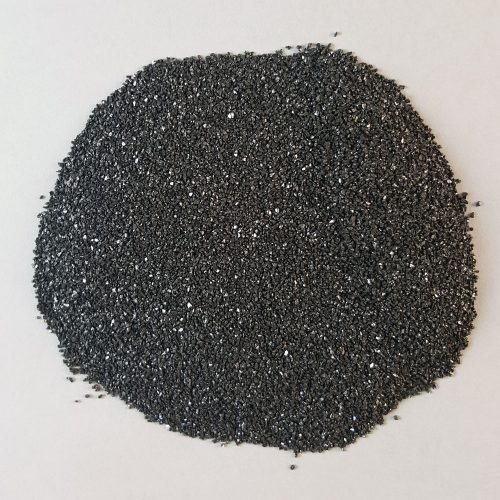
Silicon Carbide Grit Blasting Media
Price range: $39.95 through $430.00 Learn MoreSilicon Carbide Grit is the hardest abrasive media. This blasting media has very fast cutting action and can be recycled and re-used many times. The hardness of Silicon Carbide Grit allows for shorter blast times relative to other blasting media.
-

Hardwood Tumbling Media
Price range: $49.95 through $632.50 Learn MoreHardwood Tumbling Media is specially chosen and cut for optimal performance in dry tumbling applications. Used in combination with Finishing Creams, Hardwood Tumbling Media is utilized for deburring, surface smoothing, and polishing. Ideal for plastic parts.
Currently, NC-1, NP-11, NP-12, NP-13, ND-5 and ND-6 Diamond products are unavailable for shipping. We will notify you once the product is back in stock. -

Premium Ceramic Tumbling Media
Price range: $34.95 through $762.85 Learn MorePremium Ceramic Tumbling Media is designed for specific applications where precision deburring and polishing is required. The smaller sizes are ideal for intricate finishing jobs. Perfect for deburring and polishing in tight areas and smaller parts.
-

Walnut Shell Blasting Media Grit
Price range: $39.95 through $115.00 Learn More Walnut Shell Grit is a versatile, organic media. It is an angular media that is soft and sensitive to many surfaces. Walnut Shell Grit is an economical, biodegradable alternative for sensitive operations that require a moderately aggressive media.
 -

Corn Cob Media Grit
Price range: $39.95 through $95.00 Learn MoreCorn Cob Media is a biodegradable media this will not etch or warp thin-walled or soft surfaces. A low hardness and absorbent media ideal for many blasting and tumbling applications. -
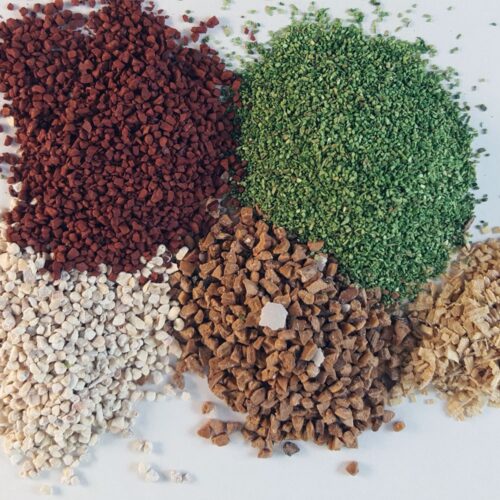
Premium Treated Media
Price range: $39.95 through $18,585.00 Learn MoreThe line of Premium Treated Tumbling Media is formulated to produce superior results without the need for
water or added compounds. This process is called Dry Tumbling. These media are bases of Walnut Shell Grit, Corn Cob Grit, and others with added abrasives, lubricants, binders, and polishing agents. Please contact us if you need a non-standard stock item as these are sometimes readily available and/or can be produced quickly. -

Stainless Steel Tumbling Media
Price range: $59.95 through $5,962.50 Learn MoreStainless Steel Tumbling Media is used for burnishing and polishing metals similarly to Carbon Steel Tumbling Media. Stainless Steel Tumbling Media reduces the need for rust inhibitors and limited storage requirements.
-

Plastic Tumbling Media
$3.27 Learn MorePlastic Tumbling Media is recommended for general purpose metal removal, pre-plate finishing, and moderate cutting. Plastic Tumbling Media is ideal for soft metals such as brass and aluminum or for stringy materials to avoid rolling the burr into a hole.
-

High Density Ceramic Tumbling Media
$3.66 Learn MoreHigh Density Ceramic Polishing Media is a heavier, longer lasting media ideal for use when reduced cycle times and low residue processes are required. Both deburring and polishing formulations are available in a variety of sizes and shapes.
-

Ceramic Tumbling Media
$2.08 Learn MoreCeramic Tumbling Media is ideal as a general-purpose media and can be used with almost any type of material and part shape. It is best for harder metals and plastics and for more aggressive requirements. Ceramic Tumbling Media is available from polishing to ultra-aggressive bonds.
-

Carbon Steel Tumbling Media
$0.00 Learn MoreCarbon Steel Tumbling Media is used for burnishing and polishing metals. The high bulk density exerts added pressure to a mass of parts producing a high shine in reduced finishing times. Carbon Steel Tumbling Media is also used for surface work-hardening.