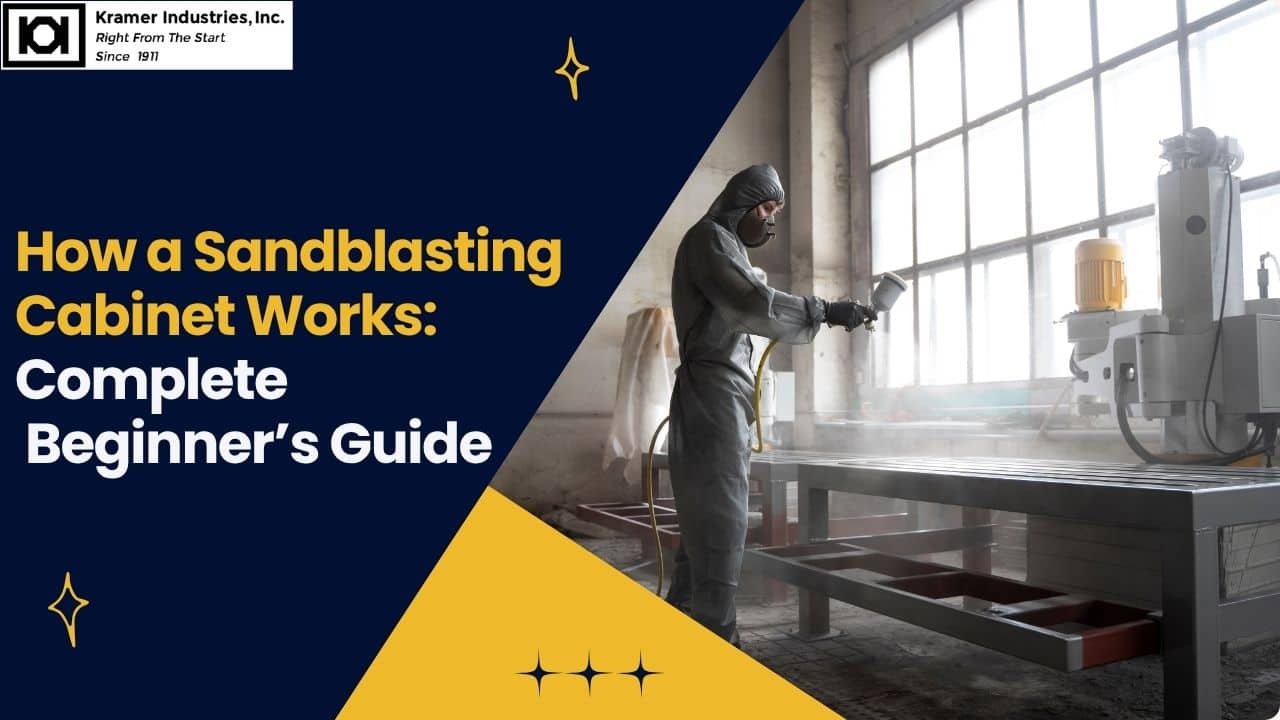
When you bring a component into a sandblasting cabinet, you’re stepping into a precisely controlled environment designed to transform surfaces with consistency and accuracy. A sandblasting cabinet is a sealed chamber where abrasive media-often glass beads, aluminum oxide, or other non-silica materials-are propelled at high velocity toward a surface. This controlled impact removes coatings, rust, oxidation, and other contaminants, leaving behind a clean, textured surface ready for painting, coating, or further processing.
What Is a Sandblasting Cabinet?
A sandblasting cabinet is essentially a workstation that allows operators to clean or texture components without exposing themselves or the environment to dust and debris. The enclosure keeps the abrasive media contained while letting the operator view and manipulate the part safely through built-in gloves and a clear window.
Inside, the process combines air pressure, abrasive media, and precision control. The result is a repeatable surface finish that’s both efficient and safe-ideal for industrial, automotive, and manufacturing applications.
How a Sandblasting Cabinet Works
Here’s the process in action: you place the part inside the cabinet, close and seal the access door, and put on protective gloves. Once the blasting gun activates, abrasive media are fired at high velocity onto the component’s surface.
The speed and density of this abrasive stream determine how aggressive the cleaning action is. Based on the formula for kinetic energy (½ mv²), increasing the media’s velocity dramatically boosts impact force. In real terms, that means faster cleaning, better coating removal, and more consistent surface preparation-critical advantages in precision finishing or mass production.
Types of Sandblasting Cabinet Systems
Different sandblasting cabinet systems use varying media delivery methods to suit different needs.
- Siphon (Suction) Systems: These draw abrasive media into the gun using a Venturi effect. They’re ideal for light to medium cleaning, use less air, and are cost-effective.
- Pressure Systems: These store abrasive media under pressure and deliver it at a higher velocity. They’re perfect for removing heavy rust, thick coatings, or working on hard metals.
Choosing between these systems depends on the type of parts you’re cleaning, desired finish, and available air pressure. Industrial users often select pressure systems for their efficiency and consistent performance, while smaller operations may prefer siphon systems for their economy and ease of use.
Why Containment Matters
One of the biggest advantages of a sandblasting cabinet is containment. Because the blasting happens inside an enclosed chamber, dust, debris, and stray abrasive are all trapped inside. This ensures a cleaner work area, reduced operator exposure, and easier media recycling.
The contained environment also enhances visibility and quality control. Operators can inspect surfaces immediately and adjust settings for precision. For manufacturers, that means improved safety, reduced cleanup, and greater process reliability.
Choosing the Right Media for Your Sandblasting Cabinet
The choice of abrasive media directly affects the outcome of your cabinet process. Common options include:
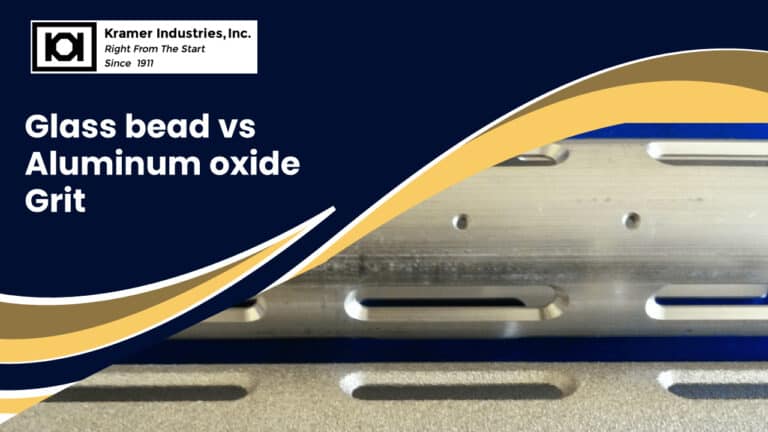
- Glass Beads: For smooth, bright finishes without material removal.
- Aluminum Oxide: For aggressive cleaning and etching of harder surfaces.
- Garnet: For consistent, dust-free results and fast material removal.
- Walnut Shells or Corn Cobs: For delicate substrates like plastics or wood.
Matching the right media with your sandblasting cabinet setup ensures optimal results-balancing surface texture, finish quality, and post-treatment readiness. It also helps control costs by maximizing media life and minimizing waste.
Benefits of Using a Sandblasting Cabinet
A well-designed sandblasting cabinet offers several operational benefits:
- Precision: Achieve uniform surface finishes with controlled media flow.
- Efficiency: Reduced cleanup time and faster processing.
- Safety: Keeps abrasive media and dust fully enclosed.
- Cost Control: Enables recycling of abrasives and lower overall media consumption.
For surface finishing professionals, the sandblasting cabinet becomes a vital asset-improving workflow consistency, reducing rework, and ensuring top-quality finishes across materials.
Mastering the Sandblasting Cabinet for Better Results
In short, a sandblasting cabinet isn’t just a containment tool-it’s a performance enabler. It allows you to clean, texture, and refinish parts predictably and efficiently. Whether you’re removing rust from metal components or prepping precision parts for coating, mastering this equipment means cleaner results, faster cycles, and more reliable performance.
Power Your Finishing Operations with Kramer Industries
If you’re ready to take your surface preparation to the next level, Kramer Industries offers a complete range of sandblasting cabinet systems, abrasive media, and accessories. Our cabinets are built for precision, safety, and long-term performance-helping you achieve professional-grade results in every project.
Explore Kramer Industries’ premium sandblasting cabinets and finishing solutions today to improve productivity, reduce waste, and create perfectly prepared surfaces every time.
Frequently Asked Questions (FAQS)
1. What is a sandblasting cabinet used for?
A sandblasting cabinet is used for a lot of things. It helps to clean surfaces. It can also strip finishes from surfaces. Sometimes people use a sandblasting cabinet to texture surfaces. Get them ready for a new finish. All of this happens inside the cabinet, which’s a good thing because it keeps everything contained.
2. What is the difference between an pressure sandblasting cabinet?
So there are two kinds of sandblasting cabinets: siphon and pressure. Siphon sandblasting cabinets are good for jobs that do not need a lot of power. On the hand pressure sandblasting cabinets are better for big jobs that need a lot of power. Pressure sandblasting cabinets can blast away finishes and dirt really fast.
3. Which abrasive media is best for a sandblasting cabinet?
The best abrasive media for a sandblasting cabinet depends on what you’re trying to do. If you want to make something you can use glass beads. If you need to clean something that’s really dirty you can use aluminum oxide.. If you are working with something that might get hurt easily you can use walnut shells.
4. Can abrasive media be reused in a sandblasting cabinet?
Yes you can reuse media in a sandblasting cabinet. This is a thing because it helps you save money. A lot of kinds of abrasive media can be used more than once.
5. Why is containment important in a sandblasting cabinet?
Containment is important in a sandblasting cabinet because it keeps everything inside. This means that the person using the sandblasting cabinet will be safer. It also means that there will be mess to clean up when you are done.. That is a good thing because it makes it easier to keep your workspace clean. A sandblasting cabinet, with containment is a happy sandblasting cabinet.
Related Articles