Using a media blast cabinet is a calculated process happening inside a steel chamber. Each blast finish is the combined result of pressure, particles, and method. Be it that you’re stripping off grime, adding texture, or giving a workpiece its final face, like any high-stakes performance, it needs a practiced hand at the helm.
Safety is very important here. No matter how skilled your team is, without the right training, things can go sideways fast. That’s why this guide exists: to help you build a rock-solid, OSHA-approved safety training program. It doesn’t just protect people, it sharpens your operations and shields your machines from wear and waste.
The Media Blast Cabinet
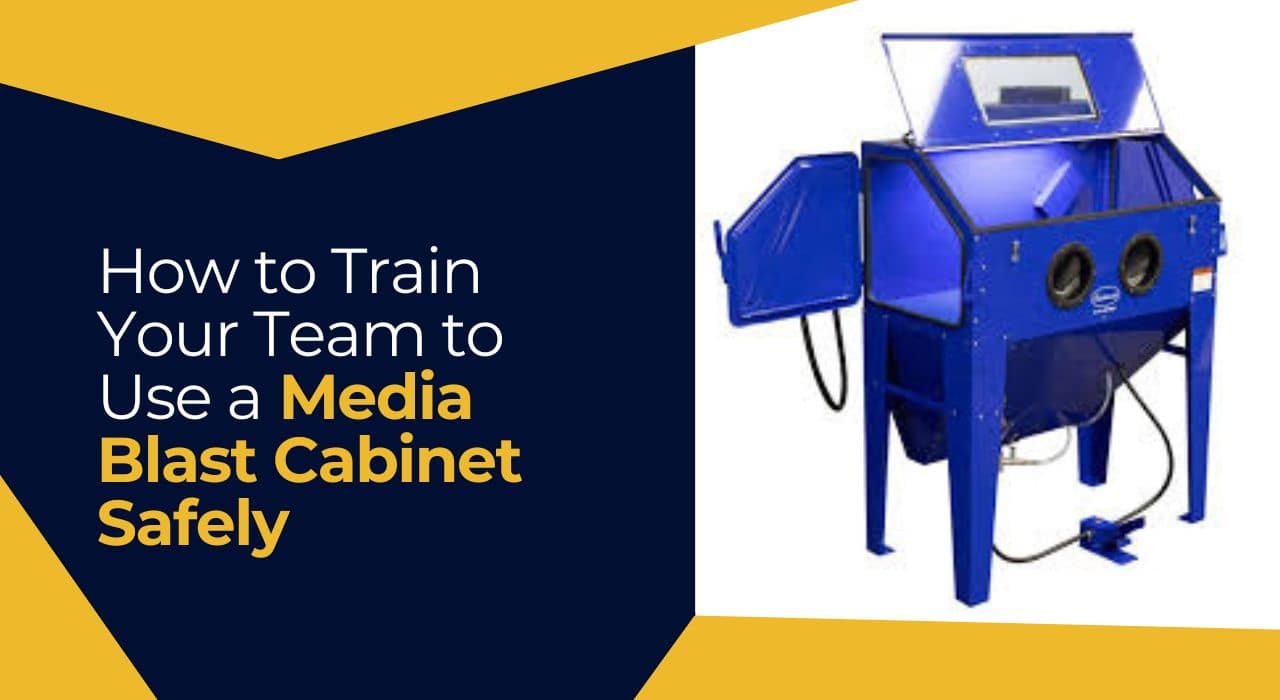
A media blast cabinet is not your average toolbox. It’s a sealed cabinet where compressed air or water drives blasting media like aluminum oxide at breakneck speed toward the surface of a material. The goal is to clean, smooth, or etch it with exacting control. When used correctly, they’re efficient and powerful. When misused, they could be dangerous.
Why Safety Training for Media Blast Cabinets Matters
Blasting may seem straightforward, but beneath the surface lie many risks. There could be airborne toxins, flying debris, extreme noise, and even structural failure if the setup is incorrect. Mistakes don’t just damage materials; they endanger people.
That’s why OSHA (Occupational Safety and Health Administration) has detailed safety protocols for all blasting environments, including media blast cabinet use. As an employer, it’s your responsibility to train, equip, and monitor your team properly.
5 Core Safety Areas to Cover in Training
1. Create a Safe Environment First
Before the blast even begins, ensure the workspace is hazard-free:
- Declutter the area: Clear away anything that could cause trips or slips.
- Enforce no-smoking/eating zones: Blasting dust can be toxic; ingestion or inhalation is a serious risk.
- Check operational systems: Ensure air compressors, ventilation, wash stations, and power supplies are all functioning perfectly. Include a checklist in your training kit for pre-operation environment checks.
2. Inspect the Equipment
Training must emphasize a careful inspection before every use:
- Blast hose inspection: Cracks and leaks can become catastrophic. Instruct staff on how to interpret warning signs of equipment wear and tear.
- Containment measures: Teach proper use of enclosures to reduce airborne exposure.
- Carbon monoxide detectors & breathing filters: These should be tested daily.
- Use less toxic abrasives: Encourage the use of low-toxicity media when possible.
3. Mandatory Protective Gear
Every worker using a media blast cabinet must wear:
- Helmets, gloves, goggles, earplugs, safety boots, and full-body protective suits.
- Respiratory protection is non-negotiable. Respirators must be NIOSH-certified and must cover the head, face, neck, and shoulders. Even post-blasting cleanup staff may require respirators—train accordingly.
4. Teach Proper Cleaning Techniques
Don’t let the cleanup process become a hazard:
- Water-based cleaning or HEPA-filtered vacuums should be used to prevent dust re-entry into the air. Demonstrate HEPA vacuum use during training to avoid missteps.
- Never use compressed air to clean surfaces. It kicks up harmful particles.
-
Invest in Comprehensive Training Programs
Build a training system that includes:
- Clear instructions on how to operate the media blast cabinet safely.
- Frequent updates based on new equipment or procedures.
- Safety Data Sheets (SDS) walkthroughs—OSHA requires you to share health and hazard information for all abrasive materials used. Create visual guides and videos showing correct vs. incorrect cabinet usage.
Don’t Ignore the Noise
Noise is an often-ignored threat in abrasive blasting. Prolonged exposure to loud blasting can cause hearing loss. OSHA Standard 1910.95 requires companies to develop a hearing conservation program, which includes:
- Regular noise level checks.
- Providing ear protection. Make hearing protection part of the uniform.
- Periodic hearing tests for all exposed employees.
Is Using a Media Blast Cabinet Safe?
Yes, if you do it right. When your team is properly trained, geared up, and working in a hazard-controlled space, using a media blast cabinet is both efficient and safe. Skipping steps is when things go wrong. Always inspect, equip, protect, and educate.
Final Word
Modern media blast cabinets may include smart sensors, pressure monitors, and even digital logs. Advanced cabinets now come with feedback systems that adjust airflow, pressure, and media speed in real time. Train your team to use these advanced features to maintain consistent quality and reduce manual fatigue.
Kramer Industries offers premium media blast cabinet solutions and safety accessories to help your team work smarter. From upgrading your current system to training a new crew, our team is here to help you blast without the risk. Contact Kramer Industries today to learn more about safe and efficient abrasive blasting setups.
Related Articles