Surface preparation processes such as blasting, and polishing, choosing the right abrasive can make quite some difference. Garnet abrasive and aluminum oxide (often called brown fused alumina) are two abrasives that are used often. Each abrasive brings quite unique properties, strengths, and applications to the table. Understanding their subtle and glaring differences helps industries pick the most suitable one for their specific needs.
This blog takes quite a close look at how these two abrasives compare in terms of production, properties, and usage.
Manufacturing Process Differences
The first aspect is about how both materials are made.
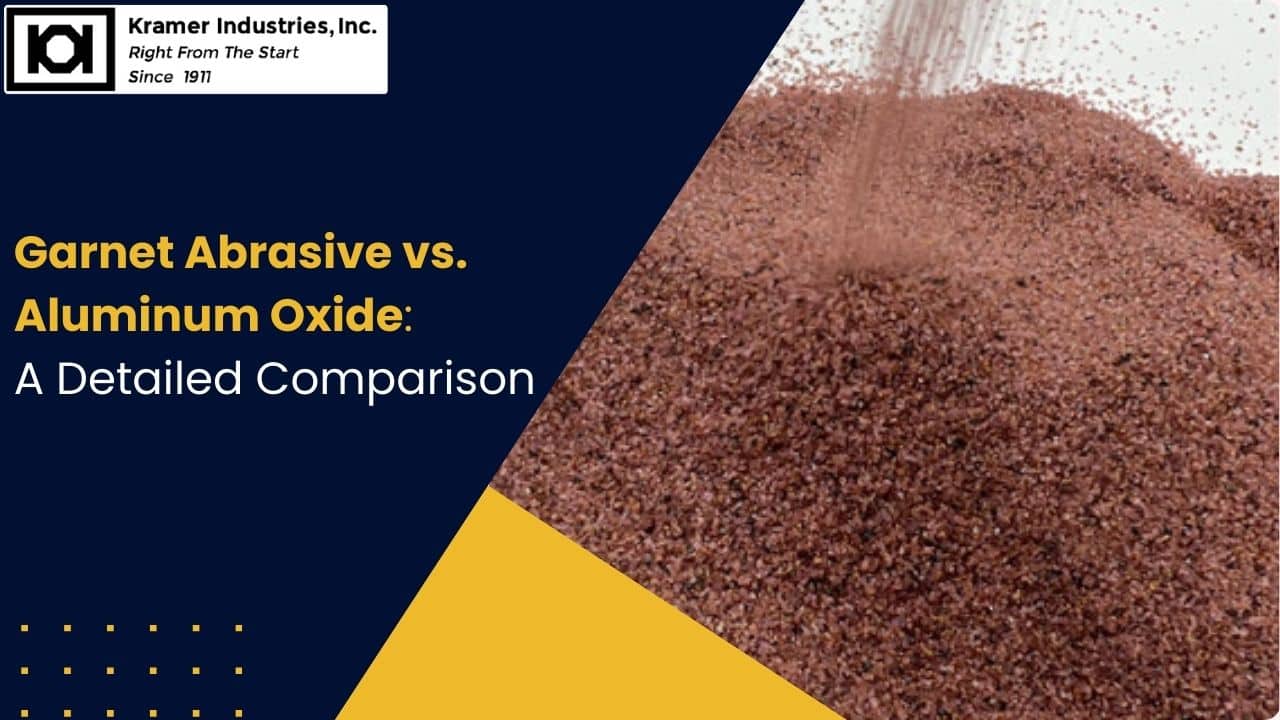
Garnet abrasive is a naturally occurring mineral. It is quite often mined from deposits found in riverbeds or beaches. After extraction of this natural material, it is well cleaned, crushed, and screened into different particle sizes. Because garnet comes from natural sources, its processing is usually quite less complex than synthetic abrasives.
Brown fused aluminum oxide, on the other hand, is man-made. It is made by melting a mix of high-quality alumina, iron filings, and smokeless coal in an electric arc furnace. After cooling, the material is crushed well, shaped in a self-grinding machine, and purified through magnetic separation to remove iron. Finally, it is screened into quite different grades.
This difference in origin, natural vs. synthetic, will determine how each abrasive behaves in industrial applications.
Product Characteristics: Garnet Abrasive vs. Aluminum Oxide
When comparing product attributes, both abrasives have unique qualities.
1. Garnet Abrasive Properties
- Naturally hard and tough
- Angular particle shape for efficient cutting
- Low dust generation, making it safer and more eco-friendly
- Good recyclability in blasting applications
- High impact resistance and durability
- Smooth surface finish on metals and other materials
Because of these properties, garnet abrasive is often considered an environmentally responsible option. It offers efficiency without creating excessive dust, which is beneficial for both workers and the surrounding environment.
2. Aluminum Oxide Properties
- High hardness and toughness
- Excellent corrosion resistance
- Strong cutting ability due to angular grains
- Dense structure with good crystallization
- Long-lasting in grinding and polishing tasks
- Suitable for high-temperature tasks due to low thermal expansion
Aluminum oxide is mostly chosen for its sharpness and durability. Its synthetic production ensures quite consistent quality, which is important for precise applications.
Applications of Garnet Abrasive
Garnet Abrasive in Casting and Surface Cleaning
Garnet abrasive is quite widely used in industries that require precision and surface cleanliness. Some common uses include:
- Shell casting
- Precision and investment casting
- Large steel casting
- V-process and lost foam casting
- Waterjet cutting
- Sandblasting for surface cleaning
With less dust being generated and being able to be used again and again, garnet abrasive is often chosen for blasting projects in industries like shipbuilding, oil & gas, and construction.
Applications of Aluminum Oxide
Aluminum oxide is highly versatile and is used in many industries. Common applications include:
- Resin-bonded and vitrified grinding wheels
- Coated abrasives like sanding belts and discs
- Polishing and finishing of metals
- Refractory materials
- Sandblasting for heavy-duty surface cleaning
- Ceramic and precision casting
Being tough and resistant to high temperatures make aluminum oxide ideal for grinding and polishing hard metals, ceramics, and composites.
Garnet Abrasive vs. Aluminum Oxide: Which One Should You Choose?
When deciding between garnet abrasive and aluminum oxide, consider the following:
- Surface Finish Needs: Garnet abrasive is excellent when a smoother finish and less dust are required. Aluminum oxide works best when you are looking for aggressive cutting and heavy-duty grinding.
- Environmental Impact: Garnet abrasive is much more eco-friendly due to lower dust generation and recyclability.
- Cost and Availability: Aluminum oxide is synthetically produced in large quantities. It is generally more cost-effective and widely available.
- Application Type: Garnet abrasive is ideal for processes like waterjet cutting and casting processes. For polishing, grinding, and high-temperature operations, aluminum oxide is the better choice.
Final Thoughts
Garnet abrasive and aluminum oxide are like two rival abrasives working in the same area of industrial surface preparation. Garnet is eco-friendly, recyclable, and leaves behind an almost clean workspace. Aluminum oxide, on the other hand, is unyielding in strength, endurance, and precision that thrives under heavy-duty demands.
The real puzzle is not which one is “better.” It is about what you wish for. Do you wish for sustainability and a smoother finish that feels almost effortless? Or do you crave toughness, the kind that grinds through steel and works “hard”?
Choosing between these abrasives is less of a simple purchase and more of an alignment. Your project’s character should match with the abrasive’s personality. Understanding their subtle yet important differences ensures that industries spend wisely, perform efficiently, and avoid costly missteps.
Kramer Industries has been guiding industries through this very decision for decades. From the eco-friendliness of garnet to the relentless force of aluminum oxide, Kramer is where precision meets experience. Explore abrasives with Kramer Industries today, and let your surfaces tell the right story.
Frequently Asked Questions (FAQs)
1. What is the main difference between garnet abrasive and aluminum oxide?
Garnet abrasive is a natural, low-dust and eco-friendly material, while aluminum oxide is a synthetic abrasive known for its high hardness and aggressive cutting power. Kramer Industries supplies both to match diverse industrial needs.
2. Which abrasive is more environmentally friendly?
Garnet abrasive is more environmentally friendly due to its recyclability and low dust generation. Kramer Industries offers high-quality garnet abrasives designed for cleaner and safer blasting operations.
3. Is aluminum oxide more durable than garnet abrasive?
Yes, aluminum oxide is generally more durable and suitable for heavy-duty grinding and polishing. Kramer Industries provides consistent-grade aluminum oxide abrasives for high-performance applications.
4. What applications are best suited for garnet abrasive?
Garnet abrasive is ideal for sandblasting, waterjet cutting, surface cleaning, and casting applications. Kramer Industries helps industries select the right garnet grade for optimal results.
5. How can Kramer Industries help choose the right abrasive?
Kramer Industries offers expert guidance and a wide range of garnet and aluminum oxide abrasives to ensure the best match for your surface preparation and finishing requirements.
Related Articles