When you step into the world of blasting, you realize quickly—it’s not just about firing particles at a surface. It’s about choosing the right abrasive for the job. Each abrasive has its own mechanism and rhythm of achieving surface preparation. And once you blast a surface, you cannot undo it again. That’s why picking the right abrasive before you start matters more than people admit.
When you look at the most popular blasting options, three names rise again and again: glass bead abrasive, aluminum oxide, and garnet. Each abrasive comes with its own strengths, quirks, and warning signs. By breaking down what sets them apart, you can make a good choice for your surface preparation project.
Aluminum Oxide: The Tough Abrasive
Aluminum oxide is like the old reliable tool of abrasive blasting. It’s hard, sharp, and relentless. Used in industries from aerospace to woodworking, it’s known for cutting deep and fast. Its sharp edges carve anchor profiles that make coatings cling tight.
It shines in heavy-duty jobs like:
- Stripping stubborn paint and coatings
- Deep etching for coating adhesion
- Decorative lapping and non-skid finishing
It can also be recycled multiple times. This factor makes it cost-efficient over time. But don’t be fooled, there are some flaws. Its sharpness means it can act on blast nozzles and wear out the equipment much quicker. Maintenance teams using aluminum oxide often find themselves having to upgrade gear just to keep up with its aggression.
Garnet: The Balanced Contender
Next is garnet, the natural mineral that has become a favorite for teams looking for balance. Garnet grit is tough yet not quite brittle; it is sharp but not destructive. You can rely on it to create consistent anchor patterns, cut through coatings with ease, and—most importantly—produce less dust than waste slags.
Garnet is especially useful for:
- Industrial coating jobs
- Situations where downtime must stay minimal
- Crews that need a safer, OSHA-compliant abrasive
Its recyclability and reduced consumption make it kinder to budgets in the long run. Unlike aluminum oxide, it doesn’t carry the same level of equipment damage risk. And unlike slags, it doesn’t bring clouds of dust and toxic heavy metals to the party. Garnet, in short, is the middle ground between performance and practicality.
Glass Bead Abrasive and Its Gentle Edge
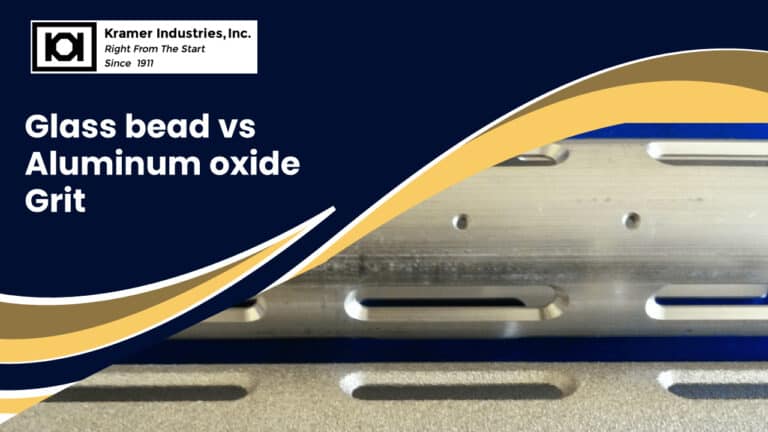
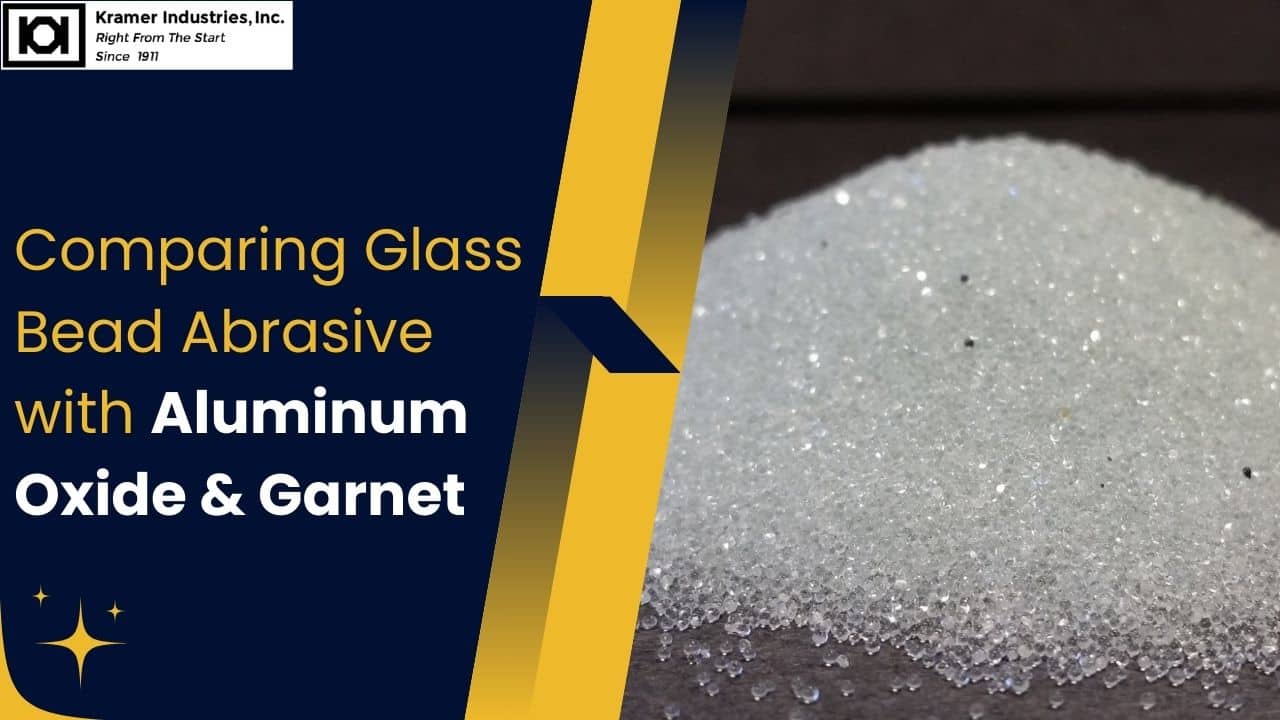
Now we turn to the star of this discussion: glass bead abrasive. Unlike aluminum oxide or garnet, glass beads are not aggressive in their work. They are round, smooth, and designed to polish rather than tear. Their spherical shape delivers a softer impact, leaving behind a satin or polished finish.
Where glass bead abrasive truly shines is in cosmetic and delicate applications:
- Deburring edges without harming the material
- Cleaning rust or scale off sensitive metals
- Preparing stainless steel or aluminum for coatings
- Polishing parts that demand a smooth finish
The beauty of glass beads is their reusability. They can be cycled through multiple times without losing shape quickly. They are also silica-free, reducing health concerns. But there’s a catch—they are slower than the sharp, cutting edges of aluminum oxide or garnet. If you need aggressive coating removal, glass bead abrasive will test your patience.
When to Choose Glass Bead Abrasive
The work of glass beads in the act of blasting is akin to an art. For polishing stainless steel for a food-grade surface, preparing thin-walled parts, or aiming for a uniform, shiny finish, glass beads do exceedingly well. If, however, you need an abrasive to work on tackling thick, stubborn coatings, you’ll want the force of aluminum oxide or the balanced cutting strength of garnet.
That said, glass bead abrasive holds its place because of the finish it leaves behind. It doesn’t etch, it doesn’t scar, and it doesn’t erode like more aggressive media.
| Abrasive Type | Best Strengths | Weaknesses | Best Use Cases |
| Aluminum Oxide | Hard, sharp, aggressive cutting | Wears out equipment, can be costly long term | Deep etching, coating removal |
| Garnet Grit | Balanced, low dust, cost-effective | Less aggressive than aluminum oxide | Industrial coatings, safe blasting |
| Glass Bead Abrasive | Gentle, smooth finish, recyclable | Slower, not for hard coatings | Polishing, cosmetic finishing, delicate metals |
Final Thoughts
So, which abrasive should you choose? The answer depends on the story you want your surface to tell. Aluminum oxide is for deep scars and tough preparation. Garnet offers a safer, balanced strike with less dust and steady performance. And glass bead abrasive is the craftsman—gentle, refined, and focused on beauty as much as function.
The truth is simple: every abrasive has a place. The challenge is knowing which one belongs to your project.
Elevate Your Blasting Results with Kramer Industries
Whether you’re polishing with glass bead abrasive, cutting with aluminum oxide, or balancing with garnet, Kramer Industries has the blasting media you need to do it right. Get expert guidance, top-quality abrasives, and solutions that fit your project’s unique needs.
👉 Contact Kramer Industries today and blast smarter.
Related Articles